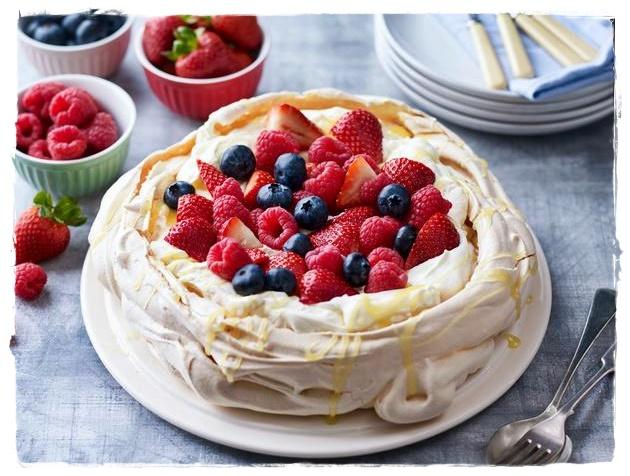

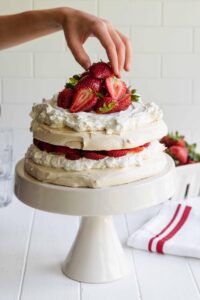
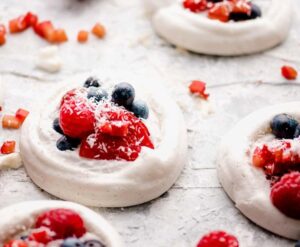
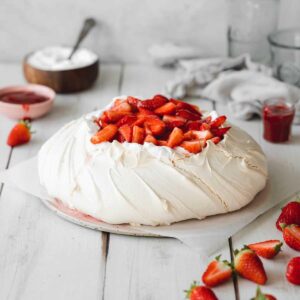
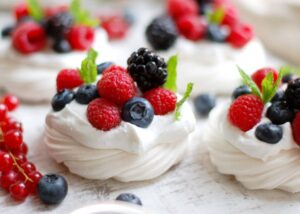
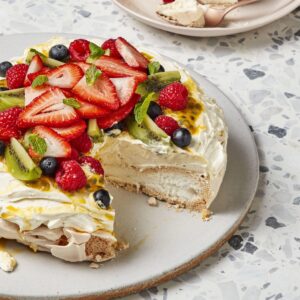
Crisp around the edges, soft and marshmallowy in the middle, and finished with fluffy coconut cream and fresh fruit, this vegan pavlova is one of those desserts that looks far more complicated than it actually is.
Traditional pavlova relies on egg whites, but aquafaba makes a surprisingly good plant-based alternative. Once whipped with sugar, it becomes thick, glossy and light enough to create that classic pavlova texture.
It’s the kind of dessert that looks impressive on the table but doesn’t require anything particularly fancy.
What Makes This Vegan Pavlova Work?
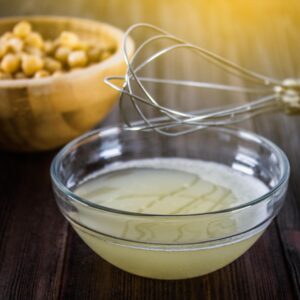
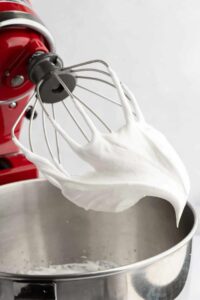

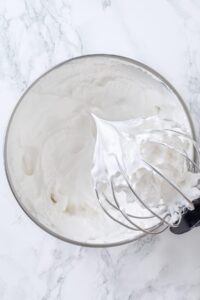
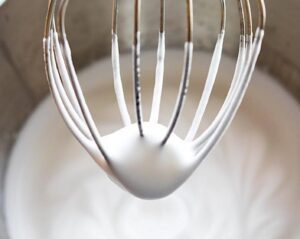
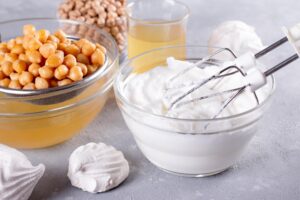
The secret is aquafaba — the liquid left from cooked chickpeas.
It might sound like an unusual baking ingredient, but once whipped, it becomes light and airy and works beautifully in place of egg whites.
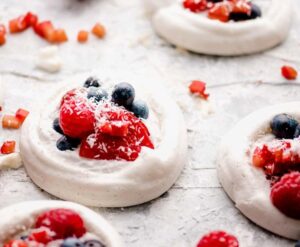
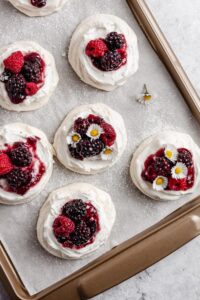
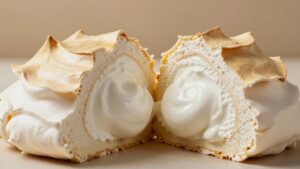
The finished pavlova should have a delicate crisp shell with a soft, chewy centre. Add some lightly whipped coconut cream and fresh fruit and you’ve got a dessert that’s hard to resist.
Vegan Pavlova Ingredients


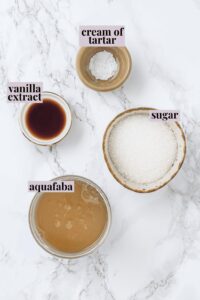
You only need a handful of ingredients:
- Aquafaba – The liquid from canned or cooked chickpeas.
- Caster sugar – Fine sugar dissolves easily and gives the meringue a smooth finish.
- Cream of tartar – Helps stabilize the whipped aquafaba.
- Cornstarch – Helps create the right texture and absorb excess moisture.
- Vanilla extract – Optional, but adds a lovely flavor.
- Coconut cream – For the creamy topping.
- Fresh fruit – Berries, kiwi, passion fruit or whatever you have on hand.
Making the Aquafaba Meringue
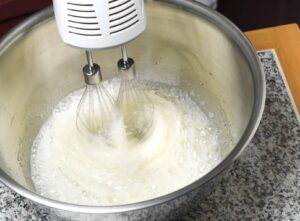
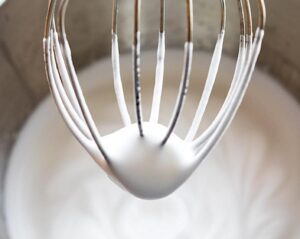

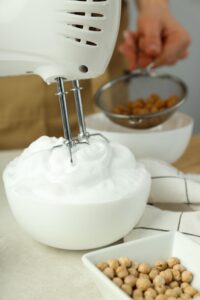
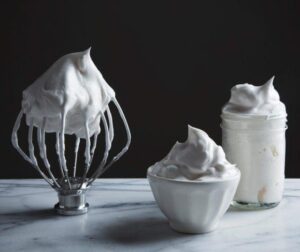
Start with a completely clean and dry mixing bowl. Any trace of grease can make it difficult for the aquafaba to whip properly.
Beat the aquafaba until it becomes pale and frothy and begins forming soft peaks.
Once you reach that stage, start adding the caster sugar a little at a time while continuing to whisk. Don’t rush this part — gradually incorporating the sugar gives you a much more stable meringue.
Keep mixing until the mixture is thick, glossy and holds firm peaks.
Shaping the Pavlova
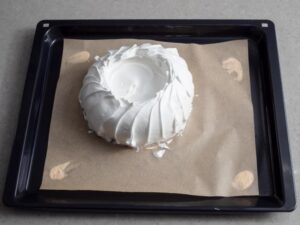
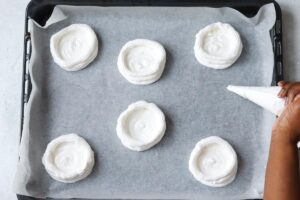
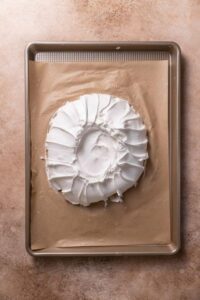


Spoon the meringue onto a parchment-lined baking tray and shape it into a round mound.
Make a small dip in the centre. This is where all that lovely coconut cream and fruit will go later.
If you want to make it look extra special, pipe the edges with a star nozzle for a decorative finish.
Baking and Cooling
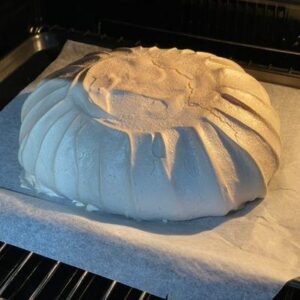
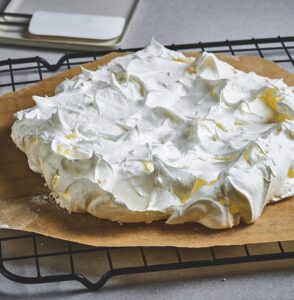

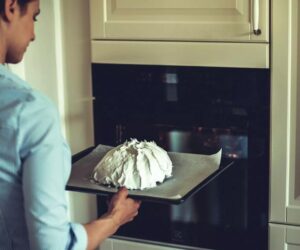
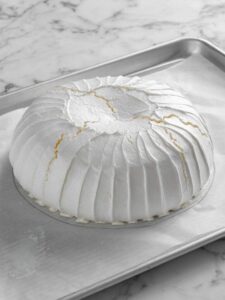
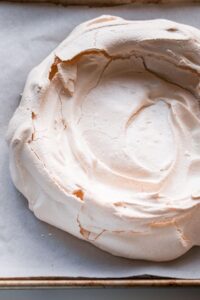
Pavlova needs a gentle bake rather than a hot oven.
The low temperature slowly dries the outside while keeping the centre soft and marshmallow-like.
Once it’s finished baking, turn the oven off and let the pavlova cool inside. Don’t be tempted to open the oven door straight away. A sudden change in temperature can cause the delicate meringue to crack or collapse.
Coconut Cream Topping
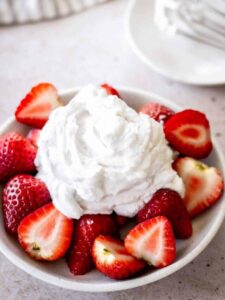


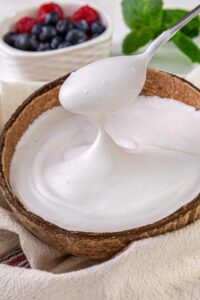
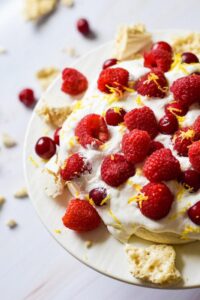

For the topping, chilled full-fat coconut milk or coconut cream works beautifully.
Scoop out the firm cream and whip it until fluffy. Add a little powdered sugar if you prefer a sweeter topping.
You can also use your favorite dairy-free whipped cream if coconut isn’t your thing.
Decorating Your Vegan Pavlova
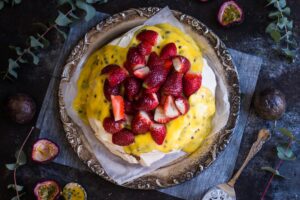
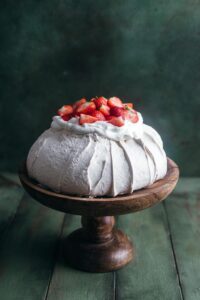

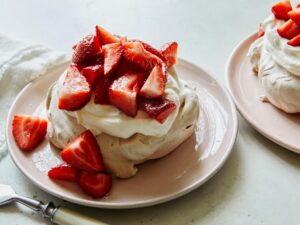
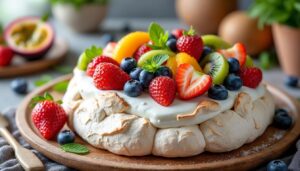
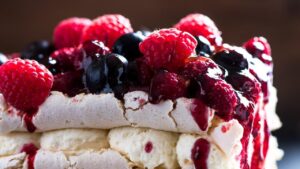
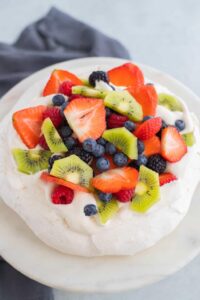
This is the fun part.
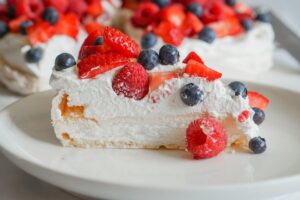
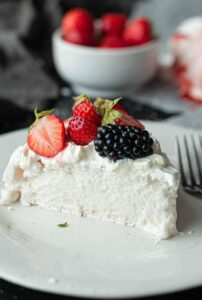
Fill the centre with whipped coconut cream and pile on plenty of fresh fruit.
Try:
- Strawberries and passion fruit
- Mixed berries and lemon zest
- Raspberries and dark chocolate
- Kiwi and lime
- Mango and passion fruit
- Blueberries with lemon curd
The fresh fruit adds a little acidity, which balances the sweetness of the meringue beautifully.
Tips for a Perfect Vegan Pavlova

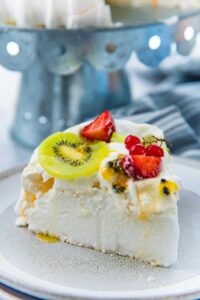
- Make sure your bowl and beaters are completely grease-free.
- Give the aquafaba plenty of time to whip.
- Add sugar gradually rather than all at once.
- Don’t open the oven while the pavlova is baking.
- Let it cool gradually inside the oven.
- Add the toppings shortly before serving.
- Avoid making pavlova on an especially humid day if possible.
- For individual portions, pipe several smaller pavlovas instead of one large one.
Can You Make Mini Pavlovas?
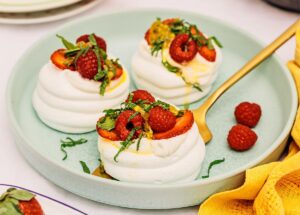
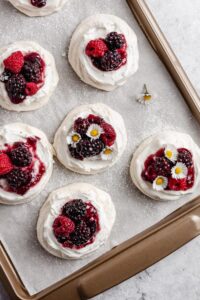
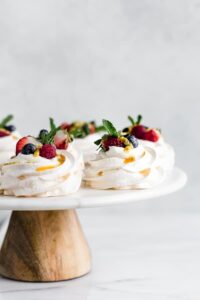
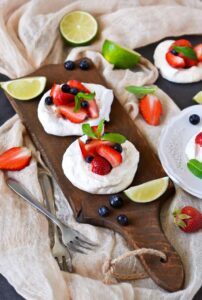
Absolutely. Divide the meringue into smaller portions and shape each one into a little nest.
They’re especially good for dinner parties because everyone gets their own pavlova and you can let guests choose their toppings.



Vegan Pavlova FAQs
What is aquafaba?
Aquafaba is the liquid from cooked chickpeas. It can be whipped and used as a plant-based alternative to egg whites in recipes such as meringues and mousses.
Can I use aquafaba from other beans?
You can experiment with other beans, but chickpea aquafaba is generally the safest choice because it has a relatively neutral flavor and works well for whipping.
Why did my pavlova collapse?
Overmixing, insufficient whipping, grease on your equipment, sudden temperature changes or excess humidity can all cause problems.
Can I make it ahead?
Yes. The plain meringue can be prepared ahead and kept somewhere cool and dry. Wait until serving time to add the cream and fruit.
How should I store leftover pavlova?
Once decorated, pavlova is best eaten fairly quickly because the cream and fruit will soften the meringue. Keep the undecorated meringue somewhere cool and dry.
The BEST Vegan Pavlova


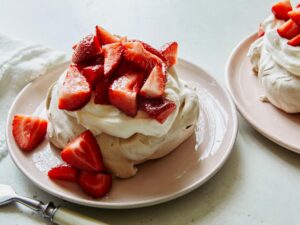
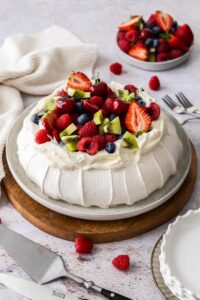
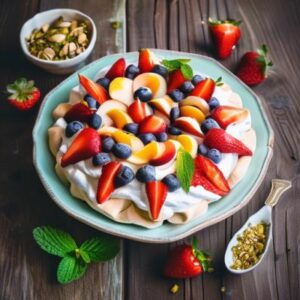
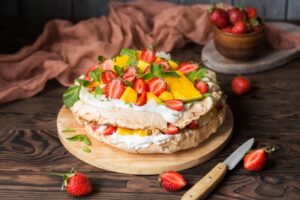

Light, crisp, creamy and loaded with fresh fruit, this vegan pavlova makes a beautiful centrepiece without requiring eggs or dairy.
Save this recipe for your next gathering — especially when you want something that looks fancy but is actually quite simple to make.